Key Takeaways
What machine is used for injection molding depends on the part; hydraulic, electric, and hybrid plastic injection molding machines each suit different production needs, supported by die-casting machines, rubber-molding equipment, and precision mold-making tools. Software, automation, and skilled engineering tie everything together into a reliable, repeatable production line. Talk to an experienced mold maker early to match equipment, materials, and tooling to your part before production starts.
A modern molder’s capability is measured through a set of complementary processes. On the production floor, plastic injection molding machines, die-casting machines, and rubber molding equipment run on dedicated lines, each with its own software-controlled parameters (clamp force, shot velocity, and cure time). In the toolroom, precision mold-making tools such as CNC mills, EDMs, and wire-cut machines build the molds that feed every one of those lines. The two stages connect through CAD/CAM data and engineering judgment.
This guide walks through the core equipment categories used in injection molding, how each one contributes to part quality, and what to look for when choosing a mold maker.
Plastic Injection Molding Machines
The injection molding machine is the heart of the production line. It melts plastic resin, injects it under pressure into a steel mold, and ejects the cooled part. There are three main types in regular industrial use, each with different strengths.
Hydraulic Injection Molding Machines
- How it works: uses hydraulic pressure to drive the screw and clamping system.
- Best for: medium-to-large parts that need high clamp force, such as automotive panels and industrial containers.
- Trade-off: higher energy consumption than electric equivalents but typically lower upfront cost.
Electric Injection Molding Machines
- How it works: servo motors control the screw, clamp, and ejection with precise digital feedback.
- Best for: small, intricate parts where dimensional accuracy and repeatability matter, including medical components and electronics.
- Trade-off: energy-efficient and clean, but higher capital cost.
Hybrid Injection Molding Machines
- How it works: combines hydraulic clamping power with electric injection precision.
- Best for: production lines that need both speed and accuracy across mixed part sizes.
- Trade-off: balances energy savings with versatility, popular for high-mix production.
Die-Casting Machines
Die-casting machines force molten aluminum, zinc, or magnesium into a hardened steel die under high pressure, producing parts with tight tolerances and durable finishes. The two most common configurations are the following:
- Hot chamber die-casting: the injection mechanism sits in the molten metal; ideal for low-melting-point alloys like zinc.
- Cold chamber die-casting: molten metal is ladled into the shot chamber for each cycle; required for aluminum, which would corrode a hot chamber system.
For products that combine metal inserts with plastic housings, such as automotive connectors or appliance assemblies, having die-casting capability in-house or through a single mold maker simplifies handoffs and shortens lead times.
Rubber Molding Machine
Some parts need elasticity rather than rigidity (such as seals, gaskets, vibration dampers, or automotive bushings). Rubber molding equipment handles these through three main processes:
- Compression molding presses: place pre-measured rubber in an open mold, then close and cure under heat and pressure.
- Transfer molding machines: push preheated rubber from a chamber into the mold cavity through runners.
- Rubber injection molding: automates the process for higher volumes and tighter tolerances, similar in principle to plastic injection molding.
Mold Making Tools
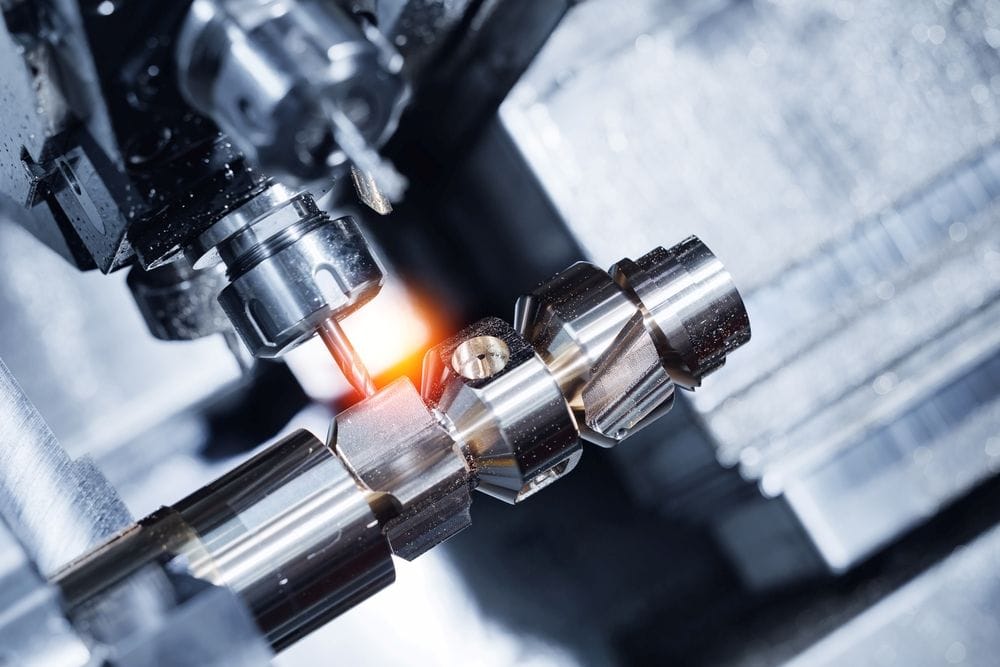
Before any molding machine can produce a part, the mold itself has to be built. The accuracy of the finished part is set by the accuracy of the mold, and the mold is only as good as the equipment that cuts it.
Core mold-making tools include the following:
- CNC milling machines: remove material with multi-axis precision to shape the cavity, core, and cooling channels.
- EDM (Electrical Discharge Machines): erode hardened steel with electrical sparks to create sharp internal corners and fine details that no cutter can reach.
- Wire-cutting machines: use a charged wire to cut intricate profiles through hardened tool steel.
- Turning machines (lathes): produce cylindrical components such as ejector pins, sleeves, and core inserts.
- Polishing and texturing equipment: finish cavity surfaces to the gloss or matte specification required by the part.
Software and Automation in Injection Molding
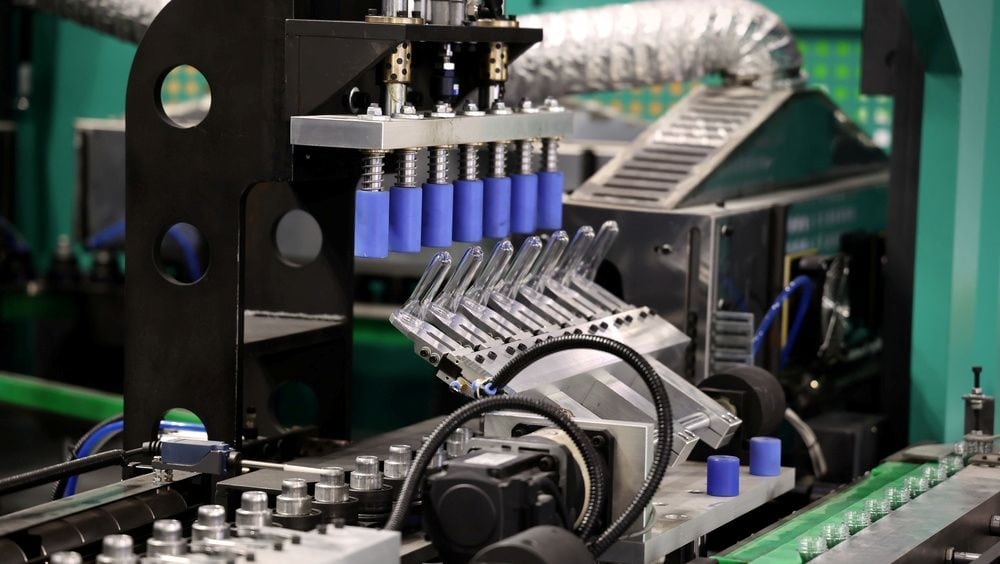
Hardware is only half the story. Innovative plastic injection molding service providers rely on software and automation throughout the workflow:
- CAD/CAM systems: design the part and the mold, then generate toolpaths for CNC equipment.
- Mold flow analysis: simulates how molten plastic fills the cavity, exposing problems with gating, cooling, or warpage before any steel is cut.
- Robotic part handling: removes parts from the press, places them on conveyors, and feeds secondary operations such as trimming or assembly.
- Vision inspection systems: check every part for dimensional and cosmetic defects at production speed.
Together, these systems reduce scrap, speed up changeovers, and produce consistent quality across runs of thousands or millions of parts.
Choosing the Right Machine for Your Project
Equipment selection always comes back to the part. The right choice depends on:
- Part size and weight: Determine the required clamp force and shot capacity.
- Material: Some resins need higher injection pressures or specialized screw geometries.
- Tolerance and finish: Tight-tolerance medical parts favor electric or hybrid machines.
- Production volume: High-volume runs justify automation and multi-cavity molds; short runs may not.
- Secondary operations: Overmolding, insert molding, or assembly affect cell design.
The table below maps six common manufactured products to the resin or alloy used, the primary machine, the mold-making tools required, and the key process steps.
| Product Example | Material | Primary Machine | Mold-Making Tools | Key Process Steps |
| Automotive dashboard panel | ABS or PP-Talc | Hydraulic injection molding machine (450–850 metric tons clamp force) | CNC milling, EDM for textured cavity, polishing for low-gloss finish | Mold flow analysis, multi-gate fill, controlled cooling, robotic part removal, in-line trim |
| Medical syringe barrel | Medical-grade PP or COC | Electric injection molding machine (80–150 metric tons) | High-precision CNC milling, mirror polishing, multi-cavity hot-runner system | Cleanroom-compatible molding, tight tolerances (±0.02 mm), vision inspection, batch traceability |
| Industrial storage tote | PP or HDPE | Large-tonnage hydraulic injection press (650–1,300 metric tons) | High-speed CNC milling, deep-cavity EDM, robust ejector system design | Mold flow analysis for large surface areas, balanced multi-point gating, controlled cooling across long flow paths, automated robotic part extraction |
| Automotive engine mount | Natural rubber or EPDM (with bonded steel insert) | Rubber injection molding press or compression press | CNC milling, EDM for fine cavity detail, hardened steel cavity with insert location features | Rubber compounding, metal insert pre-treatment and loading, injection or compression, vulcanization cycle, demolding, trim, bond test |
| Aluminum engine bracket | Aluminum alloy (e.g. ADC12) | Cold-chamber die-casting machine | CNC milling on H13 tool steel, EDM for cooling channels, wire-cutting for inserts | Mold preheat, molten metal shot, intensification pressure, ejection, trim press, CNC post-machining |
| Zinc zipper slider | Zinc alloy (ZAMAK 3 or 5) | Hot-chamber die-casting machine | High-precision CNC milling, EDM for fine slider profile, polishing for plating prep | Continuous shot from heated chamber, fast cycle (typically 10–20 seconds per shot), tumbling, electroplating |
Once the right machine and tooling combination is locked in, production runs hit consistent quality from the first shots through the millionth. Getting that combination wrong means scrap, rework, and missed delivery dates that no amount of downstream process tuning can fully recover.
If you have a part in development and need clarity on the machinery, tooling, and process behind it, get in touch. Call 034-476-173 or visit https://www.molderenterprise.com/ to discuss your project with our engineering team.
References:
- Injection Molding Machine. Retrieved July 1, 2026, from https://www.sciencedirect.com/topics/engineering/injection-molding-machine
- Injection Molding Automation for Manufacturing. Retrieved July 1, 2026, from https://www.yizumi.com/en/news/product/industry-trend/injection-molding-automation-for-manufacturing
- How Plastic Injection Molding Works Step by Step. Retrieved July 1, 2026, from https://scienceinsights.org/how-plastic-injection-molding-works-step-by-step/
- Die Casting Process Overview. Retrieved July 1, 2026, from https://www.diecasting.org/why-die-casting
Frequently Asked Questions About Plastic Injection Molding Machines (FAQs)
Q: What machine is used for injection molding?
A: The core machine is an injection molding press, available in hydraulic, electric, or hybrid configurations. Hydraulic units suit large parts, electric units suit precision and energy efficiency, and hybrids combine both strengths.
Q: What is the difference between injection molding and die-casting machines?
A: Injection molding shapes molten plastic, while die-casting shapes molten metal, typically aluminum, zinc, or magnesium. Both use steel molds and high pressure, but the materials and operating temperatures are very different.
Q: What mold-making tools does a molder need?
A: A complete toolroom includes CNC milling machines, EDM units, wire-cutting machines, lathes, and polishing equipment. These tools shape the cavity and core that determine the final part’s geometry and surface finish.
Q: How do I choose the right plastic injection molding service?
A: Look for a partner with the equipment range to match your part size, certifications such as ISO 9001 or IATF 16949 for quality systems, in-house tooling capability, and engineering support from the design stage onward.